
-
×
 McLaren Over-The-Tire (OTT) Tracks Installation Kit
1 × $249.00
McLaren Over-The-Tire (OTT) Tracks Installation Kit
1 × $249.00
Subtotal: $249.00
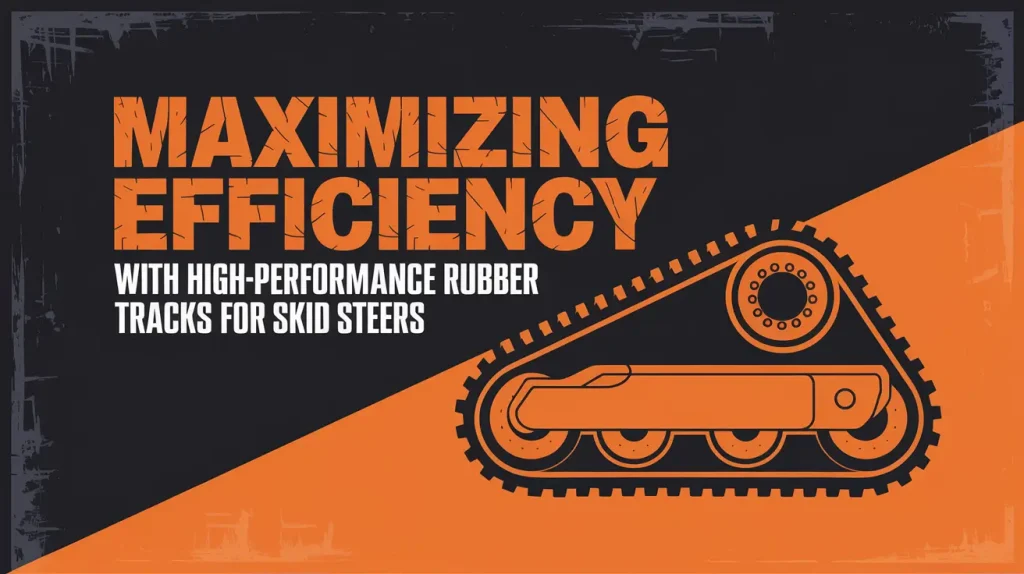
In today's demanding construction, landscaping, and agricultural environments, equipment efficiency can make or break your bottom line. High-performance rubber tracks for skid steers represent a significant advancement in machine capability, transforming how operators tackle challenging terrain and heavy workloads.
While traditional steel tracks have long been the industry standard for certain applications, modern rubber track technology offers compelling advantages that can dramatically improve your skid steer's performance, versatility, and operational lifespan. These specialized tracks aren't just an upgrade—they're an investment in productivity that pays dividends across virtually every operational metric.
Rubber tracks serve as the critical interface between your machine and the ground, directly influencing traction, stability, flotation, and operator comfort. When properly selected and maintained, high-performance tracks can transform a standard skid steer into a powerhouse capable of tackling previously problematic terrain while reducing operator fatigue.
The right tracks effectively distribute machine weight across a larger surface area compared to wheels, dramatically reducing ground pressure. This increased footprint minimizes soil compaction and surface damage while enhancing stability on slopes and uneven terrain. For operators working in sensitive environments or facing muddy conditions, this can mean the difference between completing a job efficiently and struggling with constant rework.
While steel tracks offer excellent durability in extremely harsh conditions, high-performance rubber tracks provide distinct advantages for most applications:
The versatility of high-performance rubber tracks makes them suitable for numerous applications:
Construction: From foundation work to demolition, rubber tracks excel in construction environments where machines must transition between debris-filled areas and finished surfaces. The reduced ground pressure is particularly valuable when working on prepared surfaces or recent backfill.
Agriculture: Farmers benefit from rubber tracks' minimal soil compaction, which helps preserve soil structure and promote healthy root development. The superior flotation in muddy conditions extends the workable season into traditionally problematic wet periods.
Landscaping: Landscapers rely on rubber tracks to navigate finished lawns, gardens, and hardscapes without causing damage. The combination of low ground pressure and excellent traction makes precision work possible even in tight residential spaces.
High-performance rubber tracks transform how skid steers handle challenging terrain. Unlike standard options, premium tracks feature specialized tread patterns engineered for specific ground conditions, providing exceptional grip on everything from slick mud to loose gravel.
The aggressive, self-cleaning treads found on quality rubber tracks dramatically reduce slippage, enabling more efficient use of engine power. This translates to improved productivity as machines spend less time spinning and more time working. The enhanced stability is particularly valuable when operating on slopes or uneven surfaces, reducing the risk of dangerous machine tipping.
Modern track designs incorporate specialized compounds that maintain flexibility and grip across temperature extremes. This means consistent performance whether you're working in summer heat or winter frost—a significant advantage over conventional tracks that may harden and lose traction in cold conditions.
One of the most significant advantages of high-performance rubber tracks is their ability to distribute machine weight across a larger surface area. This wider footprint can reduce ground pressure by up to 75% compared to wheeled machines, making tracked skid steers ideal for sensitive surfaces.
The implications for soil health are substantial, especially in agricultural and landscaping applications. Lower ground pressure minimizes soil compaction, preserving soil structure, improving water infiltration, and protecting root systems. This reduced impact extends to finished surfaces as well, allowing operators to work on freshly laid sod, golf courses, or decorative hardscapes with minimal disruption.
For contractors working in wet conditions, the improved flotation provided by high-performance tracks can extend the workable season, reducing costly weather delays and improving project timelines—a direct contribution to your bottom line.
Operator comfort directly influences productivity, safety, and retention. High-performance rubber tracks excel at absorbing and dampening machine vibration, creating a significantly smoother ride compared to steel tracks or wheels.
The advanced rubber compounds used in premium tracks act as shock absorbers, isolating the operator from terrain irregularities and machine vibrations. This reduced fatigue factor becomes increasingly important during long work shifts, where operator alertness and precision are critical.
Modern track designs also incorporate noise-reduction technology, creating a quieter operating environment that enhances communication among crew members and reduces operator stress. This improved comfort translates to fewer breaks, more precise control, and extended productive work hours.
While high-performance rubber tracks typically require a larger initial investment than standard options, their extended lifespan delivers compelling long-term value.
Premium tracks often utilize specialized rubber compounds and reinforced internal structures that resist cuts, tears, and chunking—common failure points in standard tracks. This enhanced durability means fewer replacements over the life of your machine, directly reducing both material costs and the labor expenses associated with track changes.
Quality tracks also help protect your machine's undercarriage components from premature wear. By absorbing impact and reducing vibration, they extend the service life of idlers, rollers, and drive motors—some of the most expensive components to repair or replace on a skid steer.
When analyzing total cost of ownership, many operators find that high-performance tracks delivering 1,000+ service hours offer superior value compared to economy options that may require replacement after just 500-700 hours.
The foundation of any high-performance rubber track lies in its material composition. Modern tracks feature sophisticated blends of natural and synthetic rubbers, each contributing specific performance characteristics to the final product.
Natural rubber provides excellent elasticity, tear resistance, and tensile strength—critical properties for tracks that must flex continuously while maintaining structural integrity. Meanwhile, synthetic components like Styrene-Butadiene Rubber (SBR) contribute enhanced abrasion resistance and stability across temperature extremes.
Leading manufacturers develop proprietary rubber formulations that balance these properties based on anticipated operating conditions. For instance, tracks designed for construction might prioritize cut resistance, while agricultural applications might emphasize flexibility and self-cleaning properties in muddy conditions.
The durability of high-performance tracks stems from advanced material science that addresses the primary failure modes: tears, chunking, and abrasive wear.
Research into rubber compound formulations has led to significant improvements in tear propagation resistance—the ability to prevent small cuts from expanding into catastrophic failures. Premium tracks incorporate specially designed molecular chains and reinforcing agents that absorb energy at tear points, preventing further damage.
Abrasion protection represents another critical durability factor, particularly for machines operating on concrete, asphalt, or rocky terrain. High-performance compounds utilize specialized carbon black formulations and silica reinforcements that create a wear-resistant outer layer while maintaining the flexibility needed for proper track function.
Environmental factors pose significant challenges to rubber track longevity. Premium tracks incorporate specific compounds to combat these degradation mechanisms.
UV stabilizers protect against solar radiation that would otherwise break down rubber polymers, leading to surface cracking and brittleness. Similarly, antiozonants prevent damage from atmospheric ozone—a particular concern for equipment stored outdoors.
Temperature tolerance represents perhaps the most critical weather-related factor. High-performance tracks maintain flexibility in cold conditions (preventing cracking) while resisting softening and deformation in extreme heat. This consistent performance across temperature ranges ensures reliable operation year-round, regardless of seasonal changes.
The internal steel structure of high-performance tracks provides the tensile strength needed to transfer power from the drive sprocket to the ground without stretching or deforming. This steel framework must balance strength with the flexibility required to navigate around idlers and over terrain irregularities.
Premium tracks typically feature continuous steel cords arranged in specific patterns to distribute forces evenly throughout the track structure. This design prevents stress concentration at any single point—a common cause of failure in lower-quality tracks with joined or overlapping cables.
Helical steel cord technology represents a significant advancement in track durability. Unlike traditional straight cord arrangements, helical designs wrap steel cables in spiral patterns that allow multidirectional flexibility while maintaining tensile strength.
This helical arrangement provides several advantages:
The result is a track that maintains proper alignment longer, resists stretching, and provides more consistent performance throughout its service life.
Steel cord failure due to corrosion represents a significant risk to track integrity, particularly in wet or saltwater environments. High-performance tracks address this vulnerability through specialized anti-corrosion treatments applied during manufacturing.
Modern tracks utilize galvanized or brass-coated steel cords that resist oxidation even when exposed to moisture. Additionally, advanced bonding agents create waterproof seals between the rubber and steel components, preventing water infiltration that could lead to internal corrosion.
Some manufacturers take corrosion protection further by incorporating sacrificial anodes or applying protective polymer coatings to the steel components before embedding them in rubber. These treatments significantly extend track life in harsh operating environments like coastal areas or chemical processing facilities.
The external tread pattern of a rubber track plays a crucial role in determining its performance characteristics. Different designs optimize traction, self-cleaning ability, vibration, and surface impact for specific applications.
Each major tread pattern offers distinct advantages depending on the operating environment:
Multi-Bar Patterns: Feature parallel bars running across the track width. This aggressive design excels in soft, loose conditions by providing excellent forward traction. The spaces between bars allow material to be ejected, preventing buildup in muddy conditions. However, these tracks can cause more surface disruption on finished areas.
C-Lug Patterns: Incorporate curved lugs that provide multidirectional traction while reducing vibration compared to straight bars. This versatile design performs well across various surfaces, making it popular for mixed-use applications. The C-shape helps prevent material packing between lugs, maintaining traction in challenging conditions.
Block Patterns: Utilize individual tread blocks arranged in offset patterns. This design minimizes ground pressure and surface disruption while providing smooth operation on hard surfaces. Block patterns typically offer the least aggressive traction but compensate with improved ride quality and reduced vibration.
Specialized tread designs address the unique challenges of specific operating conditions:
Mud Optimization: Tracks designed for muddy conditions feature wider spacing between treads to allow material clearing. Self-cleaning channels direct mud outward, preventing buildup that could reduce traction. Some designs incorporate angled edges that slice through mud rather than compacting it.
Snow Performance: Winter-focused tracks often utilize staggered patterns that provide continuous ground contact for more predictable handling on ice. Some incorporate siping (small cuts in the tread surface) similar to winter tires, enhancing grip on slippery surfaces.
Hard Surface Designs: Tracks optimized for concrete, asphalt, and packed gravel utilize closer tread spacing and more surface contact area. These designs distribute weight more evenly, reducing point loading that could damage both the track and the operating surface. The reduced ground pressure also minimizes track wear when operating on abrasive materials.
Selecting the correct tracks for your skid steer starts with ensuring proper compatibility. Using improperly sized or incompatible tracks can lead to poor performance, accelerated wear, and even dangerous operating conditions.
Most manufacturers provide detailed fitment guides that cross-reference track specifications with specific machine makes and models. These guides account for variations in undercarriage design, drive sprocket configuration, and machine weight—factors that directly influence track compatibility.
Before purchasing, verify compatibility through multiple sources, including the track manufacturer's website, your equipment dealer, and equipment-specific forums where operators share real-world experiences with various track combinations.
Accurate measurement is essential for proper track selection. Three critical dimensions determine track compatibility:
For accurate measurements, place the track on a flat surface and use a steel tape measure. Measure pitch by determining the distance between the centers of five consecutive links, then dividing by four to get the individual pitch measurement.
When selecting tracks, operators must choose between Original Equipment Manufacturer (OEM) options and aftermarket alternatives.
OEM Track Advantages:
OEM Track Disadvantages:
Aftermarket Track Advantages:
Aftermarket Track Disadvantages:
The best choice depends on your specific requirements, budget constraints, and risk tolerance. Many operators find that premium aftermarket tracks from reputable manufacturers offer an excellent balance of performance and value.
Different applications demand different tread patterns to optimize performance and track longevity. The following guidelines can help you select the right option based on primary operating conditions:
Construction environments typically feature changing surface conditions, debris hazards, and requirements for both power and precision. Ideal track characteristics include:
Priority factors for construction applications include durability against abrasive surfaces, resistance to impacts from falling debris, and the ability to maintain traction when transitioning between surface types.
Agricultural settings require tracks that provide excellent flotation in soft soils while minimizing compaction and crop damage. Key considerations include:
For agricultural applications, tracks should provide stability on slopes, minimize soil disruption during turns, and offer predictable handling when carrying mounted implements or towing attachments.
Landscaping operations require tracks that provide adequate traction while minimizing damage to finished surfaces like turf, decorative gravel, and hardscapes. Ideal features include:
Landscapers should prioritize tracks that offer a balance of gentle surface interaction with sufficient traction for slope work and material handling. The ability to transition between delicate turf and hard surfaces without causing damage represents a significant advantage.
Proper track tension is one of the most critical yet frequently overlooked aspects of track installation and maintenance. Too tight, and you'll accelerate wear on both the tracks and undercarriage components; too loose, and you risk derailment or improper sprocket engagement.
When installing new tracks, follow the manufacturer's specific tension recommendations, which typically specify either a measurement of track sag or a tension reading using specialized tools. Most skid steers require between 1/2 inch and 2 inches of track sag, measured at the midpoint between ground contact points.
Remember that new tracks typically stretch during the first 30-50 hours of operation, requiring readjustment as they break in. Regular tension checks should become part of your routine maintenance schedule, with adjustments made as needed to maintain optimal performance.
Before installing new tracks, thoroughly inspect the undercarriage components for compatibility and wear issues that could compromise track performance:
Addressing these issues before installing new tracks can prevent premature failures and ensure you receive the full performance potential from your investment in high-performance rubber tracks.
Establishing consistent inspection routines is the cornerstone of effective track maintenance. These checks allow you to identify and address minor issues before they develop into costly problems.
A comprehensive daily inspection should take only a few minutes but can dramatically extend track life:
Weekly inspections should be more thorough, incorporating additional checks:
Recognizing early warning signs of track damage allows for timely intervention, often extending track life considerably. Key indicators include:
Cuts and Punctures: Small cuts may not immediately threaten track integrity but can worsen rapidly if left unaddressed. Monitor the size of cuts during routine inspections.
Cracks and Crazing: Fine surface cracks often indicate exposure to ozone, UV radiation, or harsh chemicals.
Uneven Wear Patterns:
Effective cleaning prevents premature wear by removing abrasive materials that can damage both the tracks and undercarriage components. Expert cleaning techniques include:
For machines in corrosive environments (salt water, fertilizer, etc.), rinse tracks thoroughly with fresh water at the end of each work day to prevent chemical damage.
Maintaining proper track tension is perhaps the single most important maintenance factor for track longevity. Tension affects everything from wear to machine performance and component stress.
Follow these steps to properly adjust track tension:
Track tension varies with temperature—tracks tighten in cold conditions and loosen in heat. Adjust accordingly for your current operating environment.
Proper track alignment prevents edge wear and reduces stress on undercarriage components. Common tools include:
Proper storage is essential for machines that experience downtime or extended periods without use. Improper storage can lead to track degradation, costing thousands in premature replacements.
Ultraviolet radiation from sunlight damages rubber tracks by breaking down polymers. Store equipment indoors or use track covers to block UV exposure. Position machines to minimize direct sunlight, and if possible, store in temperature-controlled areas to prevent extreme heat or cold from degrading the rubber.
Rotating the machine’s position periodically can also prevent flat spots and stress concentrations on tracks.
Additional steps to protect your tracks include:
These measures can significantly extend track life, particularly for seasonal equipment that may spend months idle.
When evaluating high-performance rubber tracks against standard options, the initial price difference can seem significant. However, a comprehensive cost analysis reveals advantages that often make premium tracks more economical over their lifecycle.
The true value equation goes beyond purchase price, factoring in operational lifespan, productivity impacts, and downtime reduction. Calculating total cost of ownership requires considering these elements alongside the initial investment:
For most operations, the extended service life of premium tracks alone justifies the higher initial cost. Combined with productivity improvements and reduced downtime, the ROI often becomes even more compelling.
Track lifespan varies by quality, operating conditions, and maintenance practices. Industry data consistently shows premium tracks substantially outlast standard alternatives. Standard tracks often need replacement at 500-800 hours, while premium tracks deliver 1,000-1,500 hours—or even more in optimal conditions.
This disparity translates to fewer replacements, lower labor costs, and less downtime. For a skid steer operating 1,000 hours annually, standard tracks might require replacement every 6-9 months, whereas premium options could last 12-18 months or longer.
Premium tracks also deliver operational benefits that enhance their value proposition:
For contractors with tight deadlines or seasonal work windows, more efficient job completion can be the difference between profitability and loss.
Warranty coverage is another crucial element in evaluating track value. Comprehensive warranties protect your investment if tracks fail prematurely.
Top manufacturers differentiate premium tracks with robust warranties:
McLaren Industries: Tiered coverage based on track series, often 12-24 months.
ASV: Coverage aligning with machine warranties, ranging from 12 months to 2,000 hours.
Rubbertrax: Warranties that vary by product line, typically 6-18 months, with provisions for operating environments.
When assessing warranties, look at duration, ease of claim processing, and coverage breadth. Straightforward replacement policies for verified defects often indicate higher product confidence.
Most warranties exclude damage from improper maintenance, environmental factors, application misuse, normal wear, or incorrect installation. Maintain records and follow guidelines closely to protect your coverage.
Urban Development Partners, specializing in commercial site preparation, struggled with frequent track failures on six skid steers. Standard tracks lasted only 400-600 hours before replacement.
After switching to high-performance tracks with reinforced sidewalls, results were immediate:
The equipment manager noted that paying 25% more upfront more than doubled track life, reducing downtime and emergency repairs significantly.
Davidson Family Farms, a 2,200-acre operation, relied on skid steers for material handling but struggled with muddy terrain. By upgrading to high-performance tracks with self-cleaning tread patterns, they:
Being able to operate effectively despite mud had a substantial impact on their yearly production schedule.
Greenscape Solutions, serving high-end residential clients, initially saw shorter track life even with premium options. Implementing a systematic maintenance program, they:
This regimen extended track life from an average of 800 hours to over 1,800 hours, with zero mid-job failures, drastically improving their ROI on premium tracks.
Next-generation rubber tracks incorporate active monitoring technologies. Embedded sensors track performance metrics such as wear, temperature, tension, and impact forces, feeding data into telematics systems for predictive maintenance. This proactive approach helps avoid catastrophic failures by alerting operators to potential issues before downtime occurs.
Environmental considerations are driving innovation in rubber track materials. Manufacturers are incorporating recycled rubber and plant-derived polymers to reduce virgin material use and carbon footprint. Advanced processing techniques preserve or enhance performance while minimizing environmental impact.
For the toughest applications, specialized tracks combine rubber with alternative materials like carbide inserts or composite reinforcements. These hybrid designs excel in extreme conditions such as demolition, mining, and disaster response, where conventional rubber tracks fail quickly. As these technologies evolve, elements of hybrid designs will likely enter mainstream production.
Investing in high-performance rubber tracks significantly enhances your skid steer's capabilities and reduces operating costs. Focus on:
Before selecting your tracks, confirm:
This methodical approach ensures the best performance, durability, and value for your specific needs.
Consider buying from OEM dealerships, specialized track distributors, full-service equipment providers, or reputable online marketplaces. Prioritize suppliers offering detailed specs, technical support, and strong warranties. A good supplier relationship extends beyond the sale, helping you maximize track performance throughout their service life.
 McLaren Over-The-Tire (OTT) Tracks Installation Kit
1 × $249.00
McLaren Over-The-Tire (OTT) Tracks Installation Kit
1 × $249.00 Subtotal: $249.00