
-
×
 McLaren Over-The-Tire (OTT) Tracks Installation Kit
1 × $249.00
McLaren Over-The-Tire (OTT) Tracks Installation Kit
1 × $249.00
Subtotal: $249.00
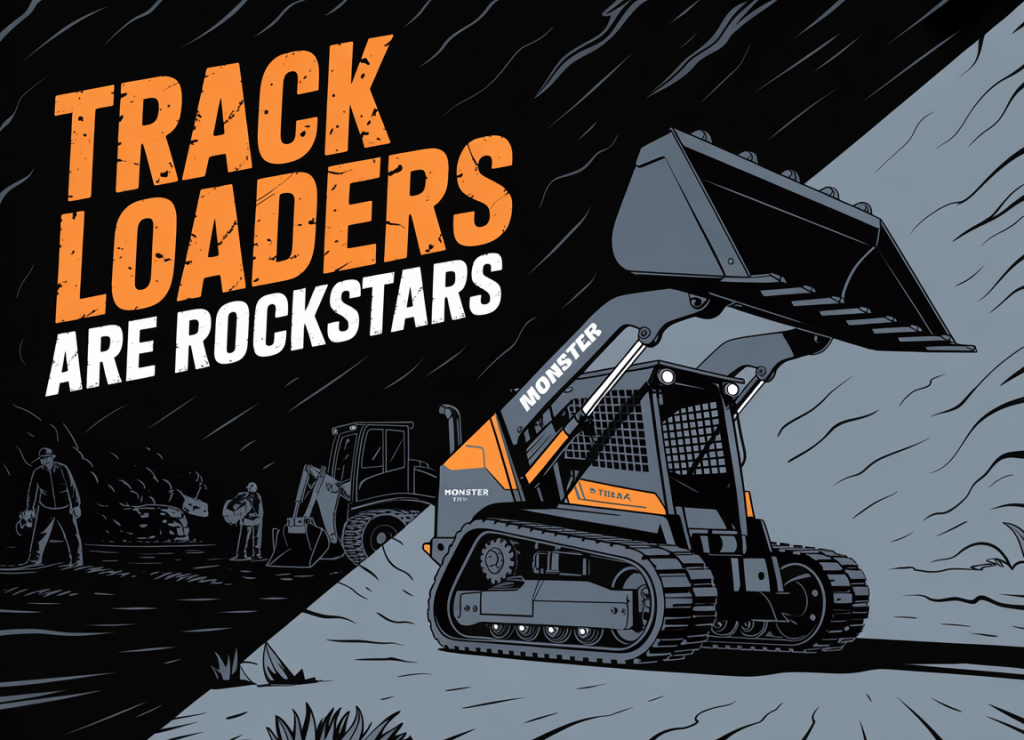
If you've been on a job site lately, you've probably noticed something: compact track loaders are everywhere. What used to be reserved for smaller tasks or tight spots is now running the show on everything from urban infrastructure builds to full-scale residential developments.
Here's the thing—bigger doesn't always mean better, especially when it comes to construction equipment. Sure, heavy equipment, ginormous excavators, and bulldozers are impressive and powerful, but they're not always right for the task at hand. That's where compact track loaders come in, proving that smaller equipment can easily outperform much larger machinery when you're navigating confined spaces or tackling specialized projects.
Let's dive into why these "rockstar" machines are transforming how construction gets done in 2025 and help you figure out if they're the right fit for your next job.
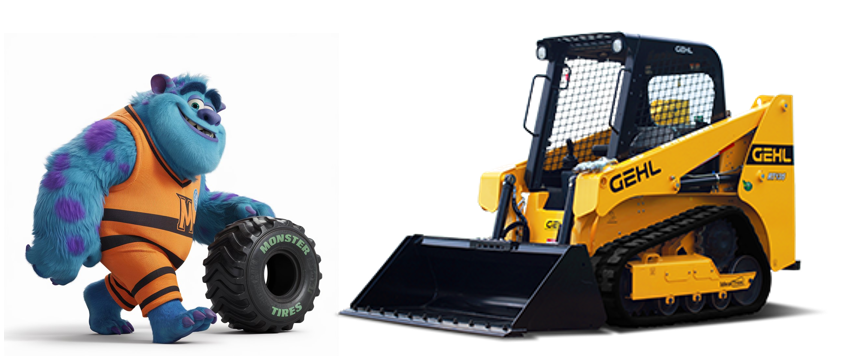
So what's driving the rise of compact track loaders in 2025? It's not just a trend—it's a fundamental shift in how the construction industry gets things done. The reality is, today's jobsites are throwing curveballs at contractors daily: houses packed closer together, existing structures to navigate around, and clients who expect minimal disruption to their property.
The use of compact track loaders by construction contractors really gained traction in the mid-1990s when the market began focusing on more than just upper-end clients. As Greg Lawrence, marketing product manager at Toro puts it, contractors "were looking for a machine that could help reduce their dependence on hand laborers and bulkier pieces of equipment that didn't perform well in many of their applications." In other words, they wanted to cut costs while boosting productivity.
Fast-forward to today, and these machines have evolved into true job site workhorses. Modern compact track loaders, typically weighing under 12,000 lbs, deliver precision where it counts most while slipping through standard gates and maneuvering around delicate systems without breaking a sweat.
It goes without saying that compact equipment is much easier to maneuver than larger, bulkier machinery—compact is right there in the name! When you're on a job site where getting around easily is key, you're better off with a compact machine every time.
Compact track loaders are perfect for those jobs where tight spaces are unavoidable and precise movements are the name of the game. The joystick controls allow operators to make small, precise adjustments, avoiding accidental collisions with objects or other machinery. Whether you're working around existing landscaping or threading the needle between structures, these machines give you the control you need.
Let's talk dollars and cents. Compact equipment is simply more cost-effective than large equipment across the board. The reduction in machinery size directly translates to lower upfront costs, especially if you're buying used equipment. But it doesn't stop there—compact equipment is also more cost-effective to maintain and operate than larger machinery.
Equipment purchases aren't just about sticker price, either. When you factor in insurance, maintenance, fuel consumption, and transportation costs, compact equipment often wins on operating expenses. Just make sure you're considering whether size limitations might prevent you from landing those bigger, more profitable contracts.
Time is money, and compact machines are faster at getting out into the field and starting work. They're easier to transport and set up compared to larger machinery, and this worksite agility can save significant time on large projects where multiple tasks are spread across different areas of the site.
Here’s THE Deal: a full-size loader weighs thousands of pounds and typically requires a heavy-duty trailer attached to a semi-truck to transport it. Compact track loaders, in comparison, are much smaller—you can transport two or three loaders on a trailer instead of one large loader. That's flexibility that directly impacts your bottom line.
The construction labor shortage is still in full swing, which means contractors are leaning on equipment that's easier to use and doesn't take weeks of training. That's where compact machines shine. Mini excavators, compact track loaders, skid steers—they're quicker to learn and simpler to operate.
Some manufacturers, like John Deere, are even adding semi-autonomous technology to help close the labor gap even more. When fewer hands are available, smarter machines pick up the slack.
As cities grow and space gets tighter, contractors need equipment that can get in, get the job done, and get out without causing a scene. Compact equipment is the perfect solution for urban work—it can maneuver into tight corners and still handle heavy tasks.
Plus, with the right attachments, these machines can take on multiple roles, reducing the need to haul in a fleet of full-size equipment. Talk about working smarter, not harder.
Today's compact machines are packed with technology like telematics, GPS, machine learning, and remote monitoring. That means more uptime, smarter maintenance, and better overall performance. It's not just about having cool gadgets—it's about real-time insights that help contractors make better decisions on the fly and avoid costly downtime.
The construction industry overall is trending away from traditional control methods toward electrohydraulic controls. This technology allows operators to configure machines to their skill level and specific applications. For example, onboard controls can be programmed for specific boom load heights—with a single button push, operators can deliver loads accurately every time without manual manipulation.
Going green isn't just for PR anymore. More contractors are being asked to reduce emissions and work cleaner, especially in urban areas with tight environmental regulations. That's fueling demand for electric compact machines. These smaller electric loaders and excavators are quieter, cleaner, and cheaper to run—a win-win-win situation.
When budgets are tight, one machine that can do the work of three is a clear winner. That's the appeal of compact equipment—it's incredibly versatile. The applications for these machines vary greatly depending on the construction stage, ranging from initial phases where they're unloading trucks and delivering materials, to closing stages where they're utilized for parking garage construction and landscaping.
With the right attachments, a compact track loader can go from digging to lifting to grading without breaking a sweat. As Roger Braswell, CEO of Compact Power, explains: "We're able to make them smaller without giving up the hydraulic power, so we're deploying small stand-on machines that provide as much—sometimes more—hydraulic power to attachments than larger sit-in machines traditionally offered."
Think of your compact track loader as a versatile power unit—the ratchet to your attachment "sockets." This approach transforms how you tackle projects, letting you perform tasks that would typically require manual labor or oversized equipment.
Construction is a tough job, but that doesn't mean operators have to be uncomfortable or unsafe. Today's compact machines come with improved safety features like rollover protection and collision sensors, along with better cab design and ergonomics for long hours behind the controls.
As operators spend more time in these machines due to their increased versatility and productivity, manufacturers are placing greater focus on operator comfort. This includes more efficient HVAC systems, comfortable seats, rear-view camera systems, cab pressurization, and added features like Bluetooth radio. It's all about keeping operators safe, focused, and productive.
The outlook for the compact equipment market is bright. Population expansion and the growth of major cities beyond their existing suburbs will continue to fuel demand for machines that can work in smaller spaces. The fundamentals of the economy and the drivers for construction and agriculture industries remain favorable.
Technology will continue playing a bigger role, but manufacturers are being smart about it. As one industry expert puts it, "if a technology doesn't add productivity, lower operating costs, and improved uptime, then it's just technology for technology's sake and likely not worth the cost—especially for compact equipment."
The compact equipment market is also expanding into new applications. Take asphalt work, for example—many compact track loaders are being sold with planing head attachments to replace more dedicated and specialized asphalt equipment like planers, millers, and grinders. The ease of transportability of smaller, lighter-weight compact models makes this possible.
In 2025, compact equipment isn't just "nice to have"—it's essential. These machines are helping contractors work smarter, faster, and more sustainably, whether they're building a house or breaking ground on a major urban development.
The reality is simple: with efficiency improvements in lower horsepower engines, customers can now bid on jobs they couldn't compete for with larger traditional construction equipment. By investing in a few attachments, equipment portfolios grow in capability without increasing overall units, and business opportunities expand right along with them.
If you're not already using compact equipment, it might be time to take a closer look. A rent-to-buy option can be smart if you're testing new market segments or unsure about long-term equipment needs. Because the machines that used to be considered "small" are now making the biggest impact on jobsites everywhere.
The compact revolution is here, and it's transforming construction one project at a time.
 McLaren Over-The-Tire (OTT) Tracks Installation Kit
1 × $249.00
McLaren Over-The-Tire (OTT) Tracks Installation Kit
1 × $249.00 Subtotal: $249.00