
-
×
 McLaren Over-The-Tire (OTT) Tracks Installation Kit
1 × $249.00
McLaren Over-The-Tire (OTT) Tracks Installation Kit
1 × $249.00
Subtotal: $249.00
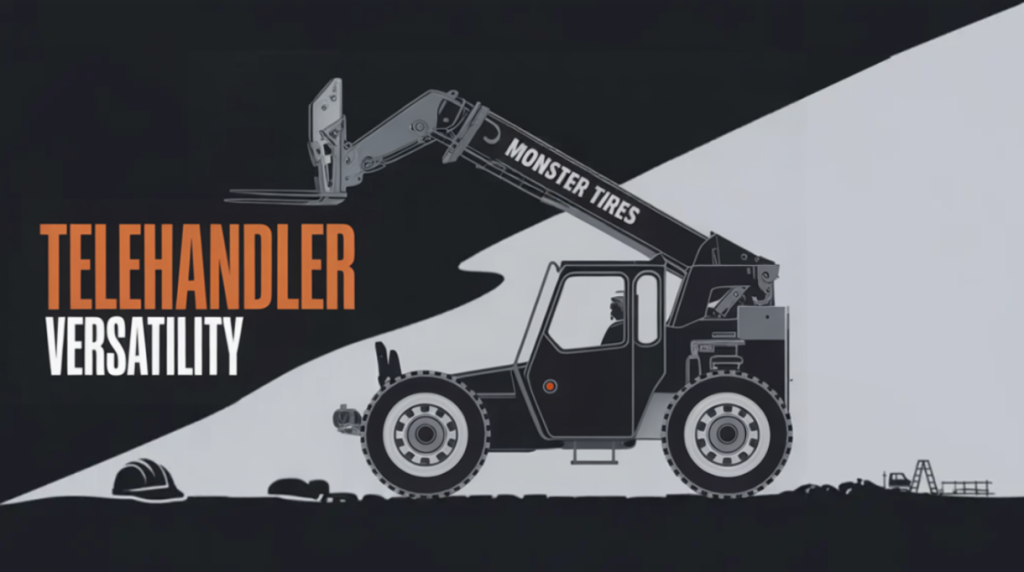
While backhoes have long been considered the Swiss army knife of construction sites, telehandlers have emerged as the industry's chameleon—adapting seamlessly to diverse project requirements through unmatched versatility and power. With capabilities spanning lifting, scooping, material removal, and debris management, telehandlers deliver comprehensive functionality that surpasses traditional single-purpose equipment. Their all-weather operability further distinguishes them as indispensable assets for year-round construction activities.
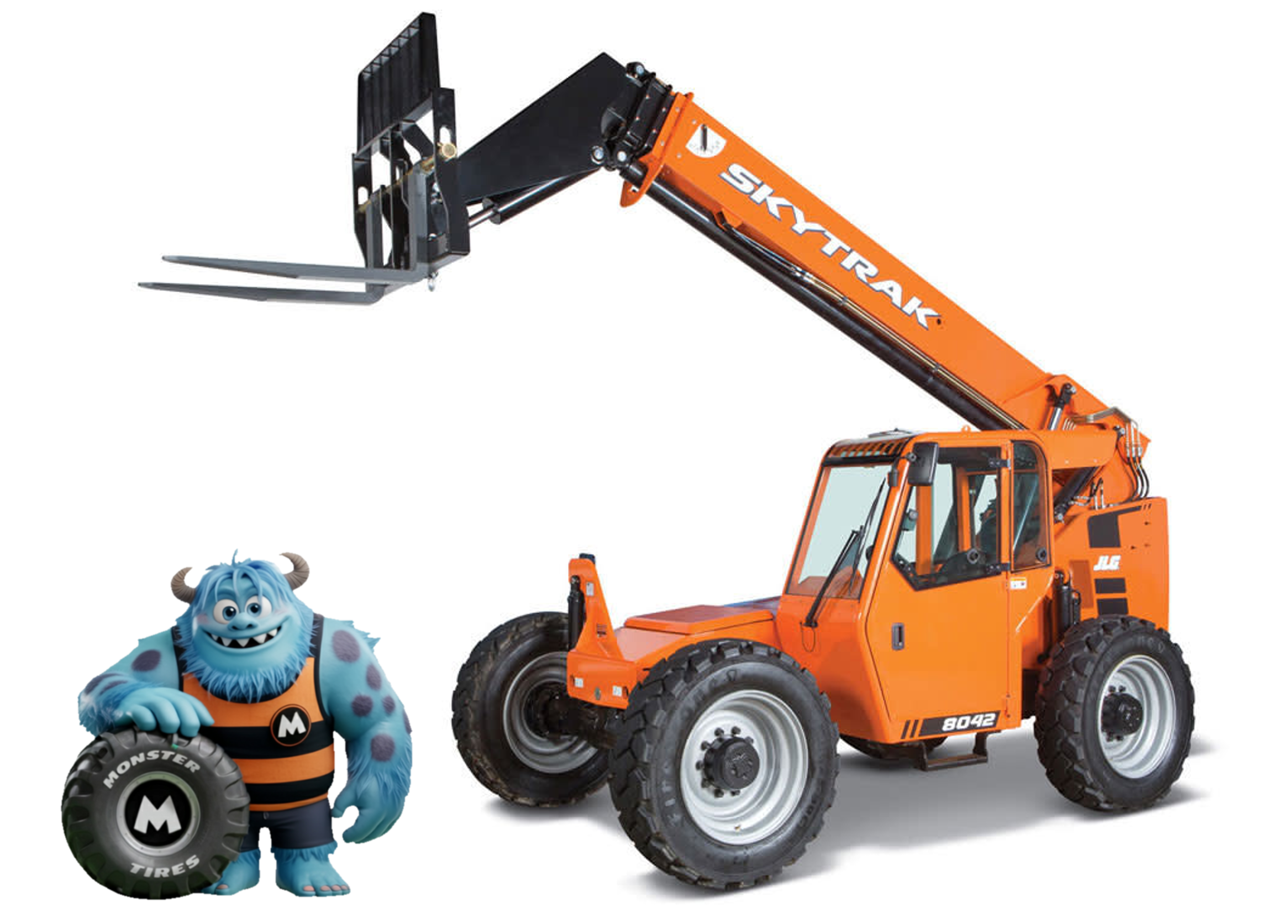
The telehandler's exceptional versatility stems from its thoughtfully engineered design, featuring a compact profile and low-profile cab that enables operation in confined spaces. The strategic engine placement represents a significant engineering advancement that optimizes both functionality and maintenance efficiency.
According to industry analysis from the website called "For Construction Pros", telehandlers initially featured inline engine configurations similar to automotive designs. This positioning creates a natural counterweight system, eliminating the need for additional steel ballast while maintaining optimal balance. The rear-mounted engine configuration not only contributes to the machine's streamlined profile but also facilitates convenient maintenance access, reducing downtime and operational costs.
The telehandler's journey began in 1977 with the introduction of the JCB 520 Loadall Telehandler, originally termed the "telescopic forklift." This groundbreaking two-wheel drive machine successfully integrated the capabilities of forklifts, cranes, and backhoes into a single, revolutionary platform. The industry response was immediate and enthusiastic, prompting JCB to introduce a four-wheel drive variant with expanded attachment options within the first year.
The success of the JCB 520 catalyzed widespread adoption across the heavy equipment industry, with manufacturers including Caterpillar, JLG, and Bobcat developing their own telehandler lines. Modern telehandlers now achieve impressive performance specifications, reaching heights of up to 65 feet and lifting capacities exceeding 20,000 pounds. Their applications have expanded beyond traditional construction and manufacturing to include specialized operations such as snow removal and facility maintenance.
As the construction industry increasingly prioritizes operational efficiency and adhering to project timelines, telehandlers have experienced substantial growth in market adoption and recognition.
The primary distinction between telehandlers and conventional forklifts lies in the telehandler's extended reach capabilities and crane-like functionality. While forklifts are limited to vertical lifting within their immediate footprint, telehandlers feature extendable boom arms that provide both vertical lift and horizontal reach. This telescopic capability enables operators to place materials up and out, accessing elevated work areas that would otherwise require multiple pieces of equipment.
Additionally, telehandlers typically offer superior weight capacity and operational flexibility compared to standard forklifts, making them ideal for heavy-duty construction applications where traditional forklifts would be insufficient.
The most revolutionary aspect of modern telehandlers lies in their extensive attachment ecosystem, which transforms these machines into adaptable workhorses capable of assuming multiple roles throughout a project lifecycle. This attachment versatility creates a true chameleon effect, allowing a single machine to perform the functions of numerous specialized pieces of equipment.
Telehandlers feature robust rubber tire systems engineered for all-terrain operation, providing seamless transitions between interior and exterior work environments. Unlike tracked equipment such as excavators, which require protective track covers for finished surface operation, telehandlers can move directly from rough construction areas to completed surfaces without equipment modifications or surface protection measures.
This adaptability makes telehandlers particularly valuable during project transition phases, where machines must operate on both unfinished and completed areas of a jobsite. The ability to function as both initial construction equipment and finishing tools eliminates the need for multiple machine deployments, reducing project costs and logistical complexity.
Telehandlers excel in material handling operations through their unique combination of lifting capacity, reach, and precision control. The integration of powerful hydraulic systems with telescopic boom technology creates lifting capabilities that rival dedicated cranes while maintaining the mobility and versatility of mobile equipment.
The descriptor "material handlers" reflects the telehandler's core strength: combining the maneuverability of skid steers with the reach capabilities of boom lifts. This fusion creates a powerful lifting platform capable of accessing elevated work areas while maintaining precise material placement control.
Telehandler bucket attachments, available in various sizes and configurations, enable these machines to compete directly with skid steers and front loaders in debris management applications. The low-profile cab design provides a crucial advantage in covered work areas and confined spaces where larger equipment cannot operate effectively.
The seasonal versatility of telehandlers particularly shines in snow removal operations, where specialized attachments including snow pushers, salt spreaders, and snow blowers transform these machines into comprehensive winter maintenance tools. This all-season capability maximizes equipment utilization and return on investment for contractors operating in variable climate conditions.
Can telehandlers be operated on public roads? Yes, telehandlers can be operated on public roads provided they are properly registered, licensed, and equipped according to local transportation regulations. However, many operators prefer trailer transport for longer distances to reduce wear and ensure compliance with varying municipal requirements.
What are typical telehandler lifting capacities? Telehandler lifting capacity varies significantly based on load position and boom extension. Standard capacities range from 5,000 to 15,000+ pounds, with maximum capacity achieved at minimum reach and decreasing proportionally as boom extension increases.
The telehandler market continues to evolve in response to changing construction industry demands, particularly the trend toward increasingly constrained urban jobsites. As urbanization accelerates and available construction space becomes more limited, the demand for compact, multi-functional equipment will continue to grow.
Current development trends focus on enhanced compactness without sacrificing performance, advanced control systems for improved precision, and expanded attachment ecosystems that further increase versatility. The integration of telematics and remote monitoring capabilities is also advancing, enabling better fleet management and predictive maintenance strategies.
For contractors and construction professionals operating in today's competitive marketplace, telehandlers represent more than just equipment—they embody a strategic approach to operational efficiency and project success. The combination of versatility, power, and adaptability positions telehandlers as essential tools for modern construction operations.
As the industry continues to prioritize efficiency, safety, and operational flexibility, telehandlers will undoubtedly play an increasingly central role in successful project execution. Their chameleon-like ability to adapt to diverse project requirements makes them not just a smart equipment choice, but an essential component of competitive construction operations.
 McLaren Over-The-Tire (OTT) Tracks Installation Kit
1 × $249.00
McLaren Over-The-Tire (OTT) Tracks Installation Kit
1 × $249.00 Subtotal: $249.00