
-
×
 McLaren Over-The-Tire (OTT) Tracks Installation Kit
1 × $249.00
McLaren Over-The-Tire (OTT) Tracks Installation Kit
1 × $249.00
Subtotal: $249.00
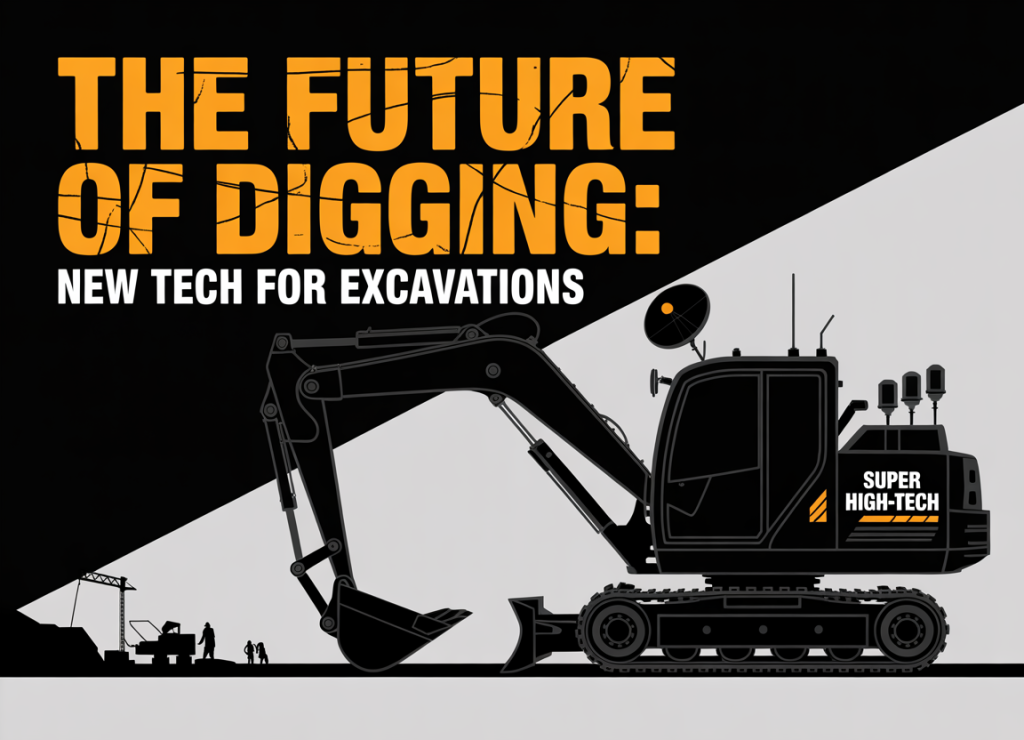
Picture this: bulldozers, hard hats, and clouds of dust. That's excavation, right? Well, hold onto your hard hat—because the excavation industry is getting a serious tech upgrade that's transforming dusty job sites into high-tech operations that would make a Silicon Valley startup jealous.
We're talking artificial intelligence, GPS-guided machines that dig with pinpoint accuracy, drones buzzing overhead, and ground-penetrating radar that sees what's hidden underground. If you think construction sites are stuck in the past, think again. The future of digging is here, and it's pretty incredible.
Sure, embracing new technology is exciting, but the excavation industry has been notoriously slow to adopt it. Companies have stuck with "the way we've always done it" for decades. But here's the thing: with mounting pressure to improve safety, slash costs, and work more efficiently, the time for innovation is now.
The best part? Modern excavation equipment might look similar to machines from decades ago on the outside, but inside? It's a completely different story. Today's excavators are basically smartphones on tracks—equipped with GPS software that turns job sites into digitally mapped wonderlands and fuel-efficient tech that even includes hybrid vehicles.
Let's be real: excavation has always been risky business. Here's what keeps project managers up at night:
The Underground Minefield: Hit a utility line, gas pipe, or fiber-optic cable, and you've got a nightmare on your hands. We're talking emergency repairs, project delays, fines, insurance premium hikes, and a serious hit to your reputation (and profits).
The Human Factor: Traditional excavation is labor-intensive and, well, humans aren't robots. Inconsistency leads to errors, rework, and inefficiencies that eat up time and money. Plus, with labor shortages getting worse, the industry desperately needs to work smarter, not harder.
Remember when finding underground utilities meant squinting at outdated maps and crossing your fingers? Those days are over.
GPR technology—now integrated directly into excavation machinery—gives operators real-time alerts about what's lurking underground. Instead of waiting for off-site scans, operators get instant, actionable information right in their cab. It's like having X-ray vision, helping you avoid those costly (and dangerous) utility strikes.
High-precision jobs need high-precision tools. GPS-guided machinery has completely changed the game:
Intelligent Machine Control (IMC) takes this even further. These smart bulldozers and excavators use GPS to align their blades to the exact design elevation. The operator can even set the system to automatic mode and let the machine do its thing with incredible precision.
Before anyone lifts a shovel, 3D modeling software lets you simulate the entire excavation process. You can spot potential problems, optimize your strategy, and plan your cut-and-fill operations—all before you start moving dirt.
The bonus? These digital models make it incredibly easy for clients, engineers, and contractors to get on the same page, leading to smoother projects and fewer "wait, I thought we agreed on..." moments.
Drones aren't just for cool aerial shots anymore. They're becoming essential tools for excavation:
For large sites, drones give you a bird's-eye view of all your equipment and operations, making project management so much easier.
Self-operating machines aren't science fiction—they're already making their way onto construction sites. While not widespread yet, autonomous excavators equipped with sensors and GPS can handle tasks like digging and grading with minimal human involvement.
The payoff: These machines can work around the clock, boosting productivity and improving safety by reducing human error. Sure, the upfront costs are steep, but the long-term efficiency gains are massive.
AI isn't just for chatbots and recommendations. In excavation, AI algorithms analyze massive amounts of data to:
The real magic? AI systems learn from each project, creating a continuous improvement loop that makes every job smarter than the last.
Real-time monitoring systems let you track progress, monitor equipment performance, and adjust strategies on the fly. This constant oversight means you're always operating at peak efficiency and staying on budget.
These systems also help with environmental stewardship. By monitoring soil conditions, drainage patterns, and erosion risks, you can make informed decisions and implement solutions before small problems become big ones.
Moving massive amounts of earth with heavy machinery is inherently risky, but technology has dramatically improved safety:
The result? Safer job sites for everyone involved.
Large-scale excavation and environmental responsibility might seem at odds, but technology bridges the gap. GPS and 3D modeling help you move only the necessary amount of earth, avoiding over-excavation that disrupts drainage patterns and causes erosion.
Energy-efficient machinery and optimized work schedules reduce fuel consumption, shrinking your carbon footprint while keeping costs down. It's good for the planet and the bottom line.
Here's the thing that gets executives excited: these technologies deliver fast ROI. Some systems pay for themselves within months, not years. In a low-margin industry that's traditionally risk-averse, that quick payback makes innovation a no-brainer.
Plus, modern tech is designed to be user-friendly. You don't need a tech expert on-site—operators can easily understand and act on the data provided. This accessibility is key to widespread adoption.
The excavation industry is on the brink of something big. As we embrace GPS-guided equipment, AI, drones, and autonomous machinery, we're not just adopting new tools—we're reimagining the entire excavation process.
The future promises safer job sites, more efficient operations, lower costs, and better outcomes for everyone involved. Whether it's preparing a commercial site, handling infrastructure development, or tackling specialized projects like utility trenching, staying ahead of the technology curve is essential.
The shift toward high-tech excavation is about more than just digging holes. It's about redefining how we build the world around us. And honestly? That future looks pretty exciting.
 McLaren Over-The-Tire (OTT) Tracks Installation Kit
1 × $249.00
McLaren Over-The-Tire (OTT) Tracks Installation Kit
1 × $249.00 Subtotal: $249.00