
-
×
 McLaren Over-The-Tire (OTT) Tracks Installation Kit
1 × $249.00
McLaren Over-The-Tire (OTT) Tracks Installation Kit
1 × $249.00
Subtotal: $249.00
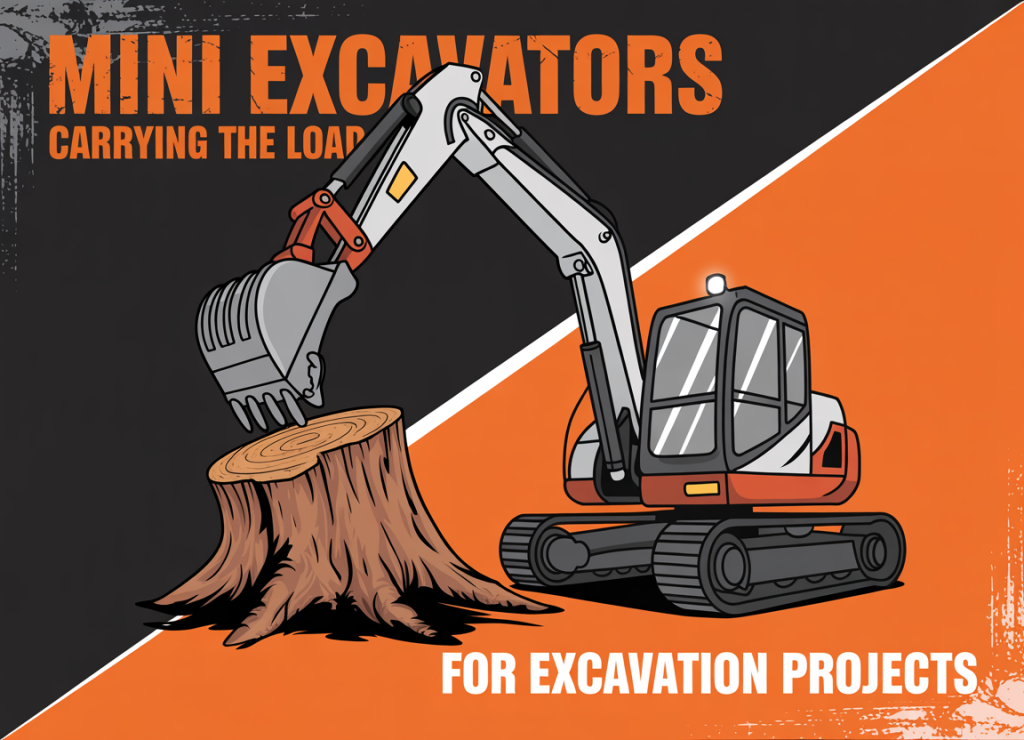
Let's be honest – nobody gets into landscaping or excavation because they love wrestling with stubborn tree stumps. But here's the thing: with the right approach and a trusty mini excavator, what used to be a backbreaking nightmare can actually become a pretty satisfying part of the job.
Sure, those massive bulldozers and full-size excavators look impressive rolling onto a job site, but sometimes the little guys are the real heroes. When you're dealing with tight residential spaces, delicate landscaping, or that one stubborn stump wedged between a fence and someone's prized rose garden, a mini excavator isn't just helpful – it's your secret weapon.
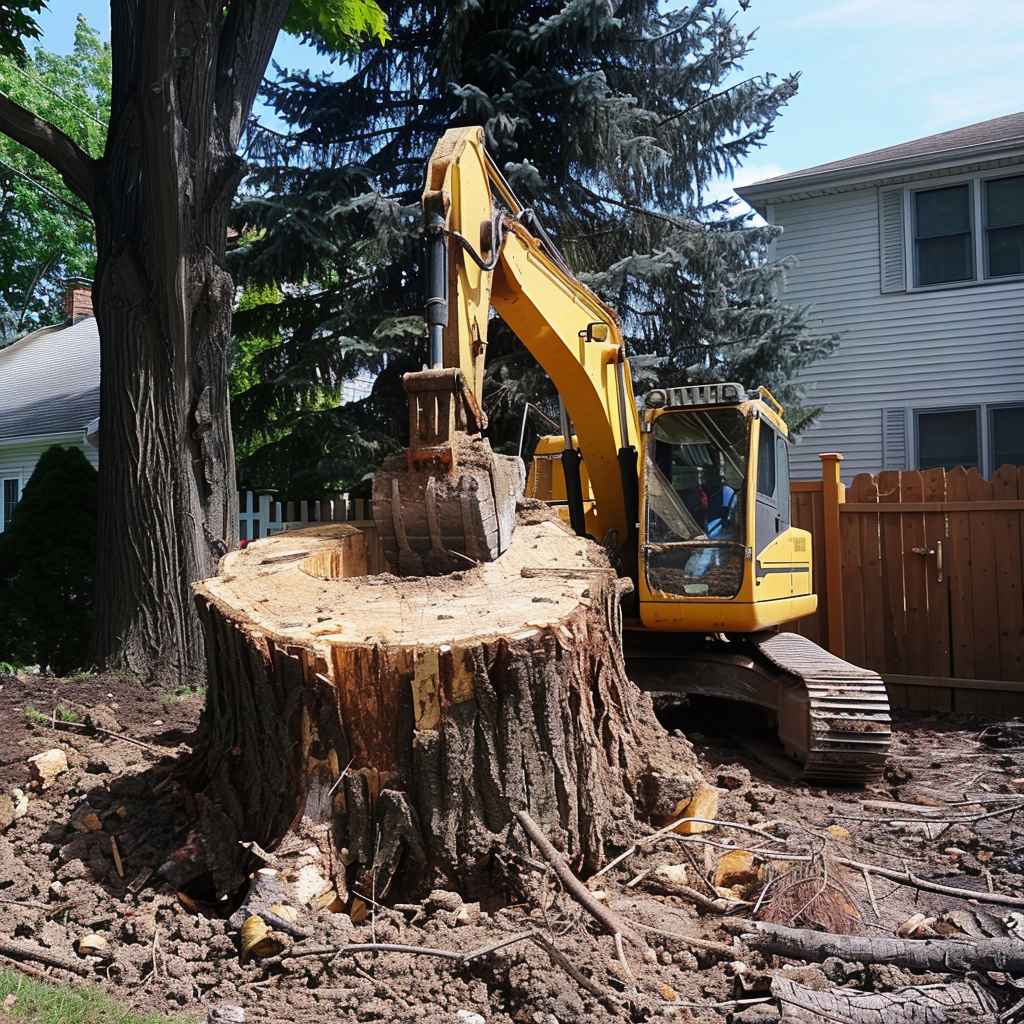
Think of mini excavators as the Swiss Army knife of earthmoving equipment. They might not have the raw muscle of their bigger cousins, but what they lack in size, they more than make up for in finesse and versatility.
Easy Learning Curve – Your newer operators won't feel like they're piloting a spaceship. Less intimidating means faster training and more confident work.
Fits Where Others Can't – That narrow gate access or cramped backyard? No problem. Mini excavators squeeze into spots that would leave bigger machines scratching their metaphorical heads.
Surgical Precision – When you need to thread the needle between existing landscaping, these machines give you the control to work clean and careful.
Budget-Friendly Power – Your bottom line stays healthy while still getting professional results. Win-win.
The right attachment can turn a challenging job into a smooth operation. Here are the game-changers:
Standard Bucket – Your bread and butter for digging around and under stumps. Think of it as your excavation spoon, but way more effective.
Thumb Attachment – This is where things get fun. It turns your excavator into a giant mechanical hand that can grab, twist, and lift root clusters like they're pick-up sticks.
Ripper or Breaker – For those stubborn roots that think they're tougher than your machine. Spoiler alert: they're not.
Step 1: Get Comfortable Before you touch that stump, spend a few minutes getting acquainted with your controls. Adjust your seat so you can reach everything comfortably – fatigue leads to mistakes, and mistakes lead to damaged property (or worse, damaged reputation).
Most mini excavators use dual joysticks: push forward to extend the boom, pull back to retract. Take a minute to feel how your specific machine responds. Every operator knows their machine has its own personality – learn yours.
Step 2: Dig Smart, Not Hard Start by creating a trench around the stump, about 2-3 feet deep. Give yourself at least six inches of clearance between the stump and trench wall – you need room to maneuver.
Pro tip: Always double-check for utility lines before going deep. That "oops, I hit a gas line" conversation with the homeowner never goes well.
Step 3: Root and Branch Once you can see the root system, it's time for some surgical work. Your bucket handles the smaller roots just fine, but anything thicker than six inches might need a chainsaw or ripper attachment.
Focus on the primary anchor roots first – these are the big guys holding everything in place. Cut them clean to avoid unnecessary strain on your machine.
Step 4: The Big Lift Here's where technique trumps muscle. Position your bucket under the stump and apply steady, upward pressure. Think "loosening a tooth" rather than "arm wrestling a tree." If it fights back, there's probably still a root you missed.
With a thumb attachment, you can get a solid grip and add some twisting motion. Sometimes a little wiggle is all it takes to break that stump free.
You're not done when the stump comes out – that's just the exciting part. Now comes the detail work that separates the pros from the amateurs.
Clear out any leftover wood debris, then backfill with a mix of soil and compost. This isn't just about filling a hole – you're restoring soil structure for whatever comes next. Tamp it down to eliminate air pockets, but don't overcompact.
Give the area a good watering to help everything settle, and expect to add a bit more soil later as things compact naturally.
Stump Disposal Options:
Just remember: if the tree had disease issues, don't use those chips around healthy plants. When in doubt, dispose of it properly.
A well-maintained machine is a reliable machine, and reliability keeps customers happy and your schedule on track.
After each stump job, take a few minutes to:
Stay on top of routine maintenance like oil changes, hydraulic fluid checks, and track tension. Your future self (and your mechanic's bill) will thank you.
"What's the most efficient approach for multiple stumps?" Treat it like a strategic operation. Survey all the stumps first, plan your route for maximum efficiency, and tackle them systematically. Your mini excavator can absolutely handle multiple stumps – just work smart, not rushed.
"Mini excavator vs. stump grinder – what's the call?" Mini excavators win on versatility. While a stump grinder does one thing (granted, it does it well), your mini excavator can remove the entire stump and root system, then stick around for whatever landscaping task comes next. More bang for your rental buck.
"What size mini excavator do I need?" A 3-4 ton mini excavator handles most residential stump removal jobs beautifully. Larger stumps or extensive root systems might call for something beefier, but honestly, technique often matters more than raw power.
"Essential attachments for the job?" Start with a good digging bucket and add a thumb attachment if possible. For the really tough jobs, a hydraulic breaker or ripper can be worth its weight in gold.
Stump removal doesn't have to be the job everyone dreads. With a mini excavator and the right approach, it becomes just another skill in your toolkit – one that can set you apart from competitors who still think muscle and manual labor are the only way to get it done.
Your clients will appreciate the clean, professional results, your crew will appreciate not throwing out their backs, and your business will appreciate the efficiency and profitability.
Sometimes the best tool for the job isn't the biggest one – it's the smartest one.
 McLaren Over-The-Tire (OTT) Tracks Installation Kit
1 × $249.00
McLaren Over-The-Tire (OTT) Tracks Installation Kit
1 × $249.00 Subtotal: $249.00