
-
×
 McLaren Over-The-Tire (OTT) Tracks Installation Kit
1 × $249.00
McLaren Over-The-Tire (OTT) Tracks Installation Kit
1 × $249.00
Subtotal: $249.00
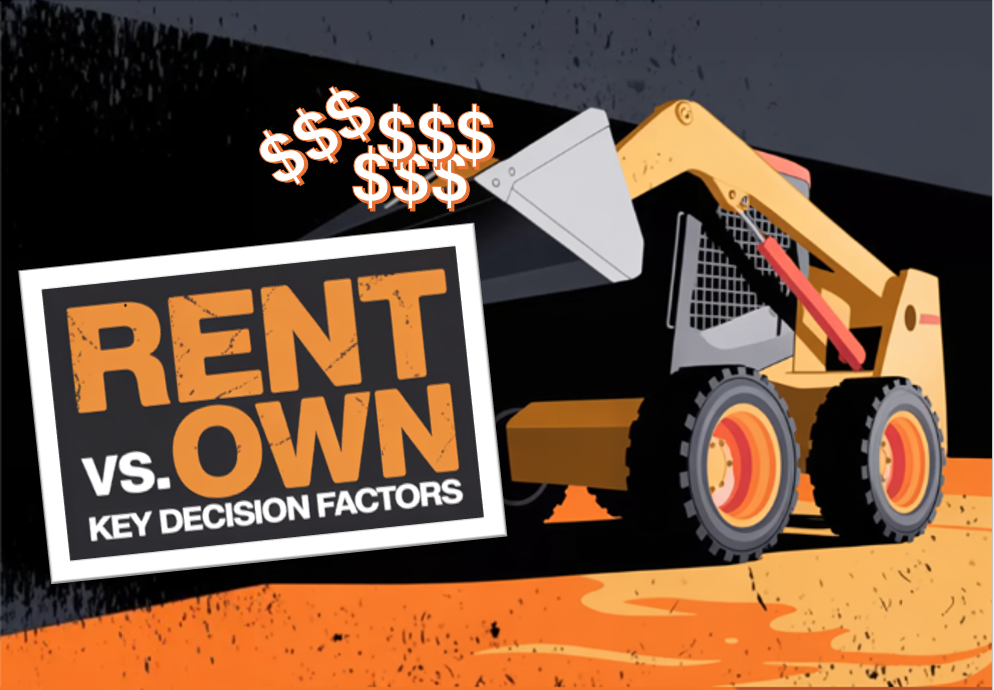
After managing equipment fleets for over two decades, I've seen contractors make both brilliant and costly decisions when it comes to acquiring machinery. The buy-versus-rent question isn't just about monthly payments—it's about cash flow, operational flexibility, and long-term business strategy. Here's the framework I use to guide contractors through this critical decision.
Yes, rental rates typically run 2-4 times higher than financing payments. But that's only part of the equation. When you factor in maintenance, insurance, storage, transportation, and depreciation, the true cost of ownership often surprises contractors who focus solely on payment comparisons.
The break-even point for most compact equipment sits around 900-1,200 hours of annual utilization. Below that threshold, renting usually makes better financial sense. Above it, ownership becomes compelling—but only if you can handle the total cost of ownership.
The 900-Hour Rule: Calculate expected annual hours honestly. Include setup, breakdown, and transport time. If you're consistently below 900 hours, renting wins on pure economics.
Seasonal Considerations: Many contractors overestimate annual utilization by not accounting for seasonal downtime, weather delays, and equipment rotation needs.
Specialized vs. Core Equipment: I always recommend owning equipment that's essential to your core business—concrete contractors should own mixers, excavation specialists should own their primary excavators. Rent specialized equipment for occasional projects.
Project Duration Patterns: Track your typical project timelines. If most projects requiring specific equipment run 6+ months, ownership becomes attractive. Short-term or one-off projects favor rental.
Hidden Ownership Costs:
Rental Operational Advantages:
Rental fleets typically refresh every 36-42 months, giving you access to latest technology, improved fuel efficiency, and enhanced safety features. For contractors with less experienced operators, newer equipment with automated controls can significantly improve productivity and reduce training time.
With experienced operators retiring and new talent entering the field, rental equipment's intuitive controls and automated functions can bridge skill gaps. This is particularly valuable for:
Ownership Benefits:
Rental Benefits:
For contractors on the fence, rent-to-own agreements offer a middle path. You can:
This works particularly well for equipment in the $50,000-200,000 range where the decision impact is significant but not catastrophic.
Before making any equipment acquisition decision, answer these five questions:
For most contractors, a hybrid approach works best:
Own: 2-3 pieces of core equipment that define your business capabilities
Rent: Specialized equipment, backup units, and capacity overflow
This strategy provides operational stability while maintaining financial flexibility.
The buy-versus-rent decision isn't about finding the "right" answer—it's about finding the right answer for your business situation. Focus on total cost of ownership, not just monthly payments. Consider your cash flow patterns, project portfolio, and growth plans.
Most importantly, don't let equipment decisions drive your business strategy. The goal is profitable growth, not equipment accumulation. Whether you buy or rent, ensure the decision supports your broader business objectives and maintains the financial flexibility to seize opportunities when they arise.
The contractors who succeed long-term are those who make equipment decisions based on data, not emotion. Use this framework, run the numbers, and make the choice that best serves your business goals.
 McLaren Over-The-Tire (OTT) Tracks Installation Kit
1 × $249.00
McLaren Over-The-Tire (OTT) Tracks Installation Kit
1 × $249.00 Subtotal: $249.00