
-
×
 McLaren Over-The-Tire (OTT) Tracks Installation Kit
1 × $249.00
McLaren Over-The-Tire (OTT) Tracks Installation Kit
1 × $249.00
Subtotal: $249.00
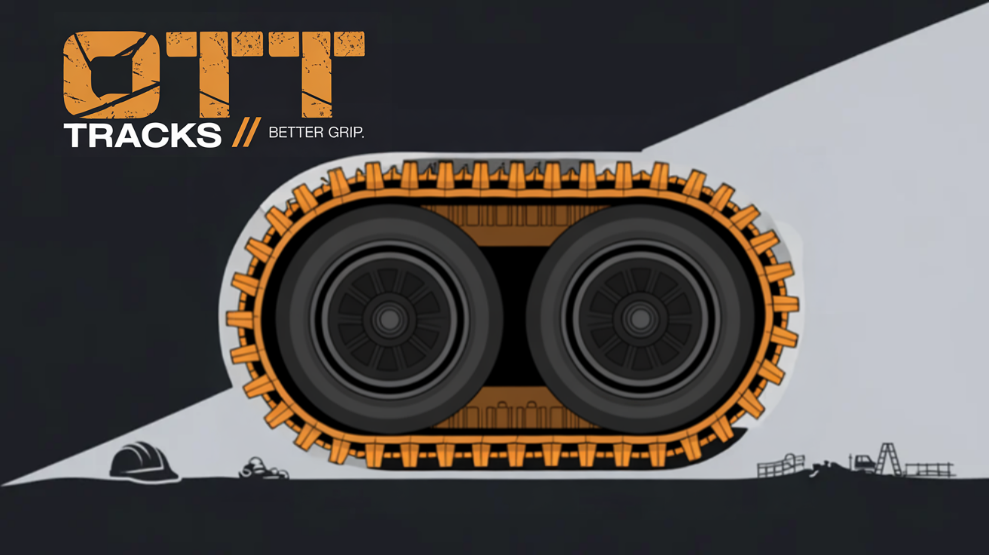
Real-world jobsites include every type of terrain, and experienced contractors know that project downtime will cost them more than equipment upgrades. For many jobsite managers, over-the-tire (OTT) tracks have become the go-to solution for keeping projects moving when weather conditions or difficult terrain arise, and they deliver measurable ROI through improved traction, reduced service costs, and enhanced jobsite safety.
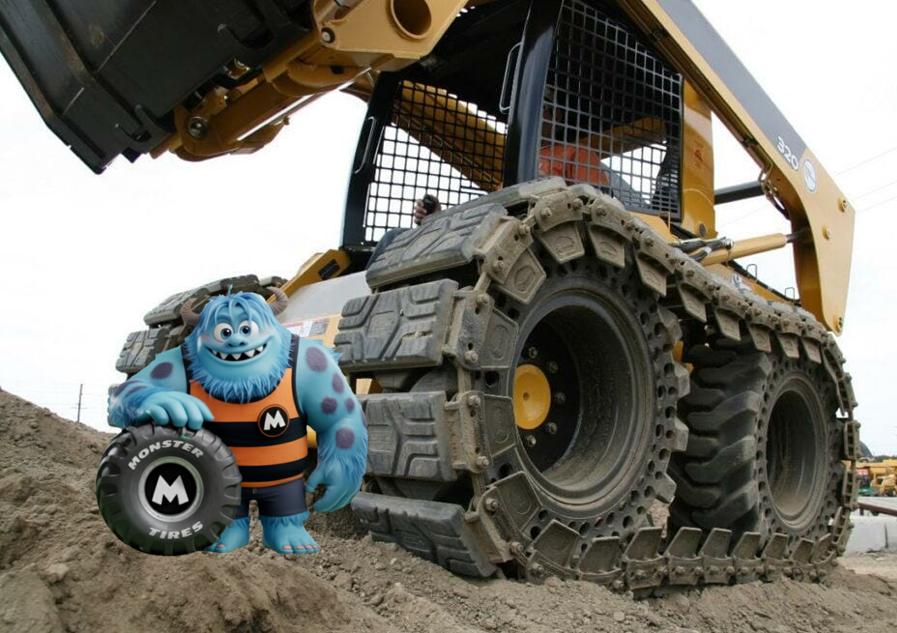
Every construction professional knows the drill: weather doesn't wait for project schedules. When rain turns your worksite into a muddy mess, standard tires become a liability. I've watched crews lose entire days waiting for ground conditions to improve, burning through project budgets, and missing critical deadlines.
Over-the-tire tracks solve this problem by transforming your existing wheeled equipment into track-capable machines without the capital investment of purchasing dedicated track loaders.
OTT tracks are engineered rubber track systems that mount directly over your equipment's existing tires. Unlike aftermarket accessories, these are precision-engineered systems featuring:
The key advantage is flotation—distributing machine weight across a broader surface area to prevent sinking and minimize ground pressure.
In my experience, OTT tracks increase effective traction by approximately 40-60% compared to standard tires in wet conditions. This translates to:
Premium rubber OTT tracks protect delicate surfaces like asphalt, concrete, and landscaped areas. The non-marking rubber compounds prevent the black streaking that standard tires leave on finished surfaces—critical for commercial and residential projects.
Installation typically takes 30-90 minutes per machine, depending on operator experience and track system complexity. This quick changeover capability means you can adapt to changing site conditions without equipment downtime.
Based on field testing across various project types:
Muddy Construction Sites: High-flotation design prevents equipment from bogging down in saturated soil conditions.
Landscaping Projects: Minimal ground disturbance protects existing turf and prevents costly restoration work.
Paved Surface Work: Non-marking compounds eliminate surface damage on concrete and asphalt.
Snow Removal Operations: Specialized rubber compounds maintain flexibility in sub-zero temperatures.
Equipment Compatibility
OTT tracks work effectively on:
Critical compatibility note: Use only with pneumatic or semi-pneumatic tires. Solid or foam-filled tires create excessive drivetrain stress and potential equipment damage.
From a fleet management perspective, here's the operational comparison:
Advantages:
Limitations:
Advantages:
Disadvantages:
Critical factors for track selection:
Always consult manufacturer specifications and consider professional installation for optimal performance.
In my cost analysis across multiple projects, OTT tracks typically pay for themselves within 6-12 months through:
Proper maintenance extends track life significantly:
OTT tracks represent a practical solution for contractors facing challenging terrain conditions. They offer the versatility to adapt existing equipment for demanding applications without the capital investment of dedicated track machines.
The key is selecting quality systems from established manufacturers and following proper installation and maintenance protocols. Done correctly, OTT tracks will keep your equipment productive when weather and terrain conditions would otherwise shut down operations.
For contractors and landscapers serious about maintaining project schedules regardless of conditions, OTT tracks aren't just an upgrade—they're essential equipment.
 McLaren Over-The-Tire (OTT) Tracks Installation Kit
1 × $249.00
McLaren Over-The-Tire (OTT) Tracks Installation Kit
1 × $249.00 Subtotal: $249.00